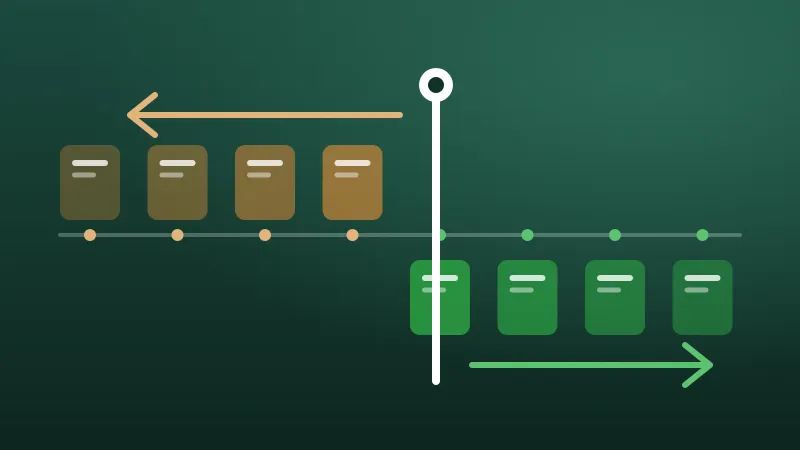
Changing Bonus Rules: Retroactive vs. Going Forward
Every bonus program changes eventually. Whether a change reaches back in time or starts today can make the difference between trust and a shop-floor argument.
4 min read
A good bonus program makes crews pull in the same direction as the plant. A bad one teaches them to game the numbers. Here's how to build the good kind.
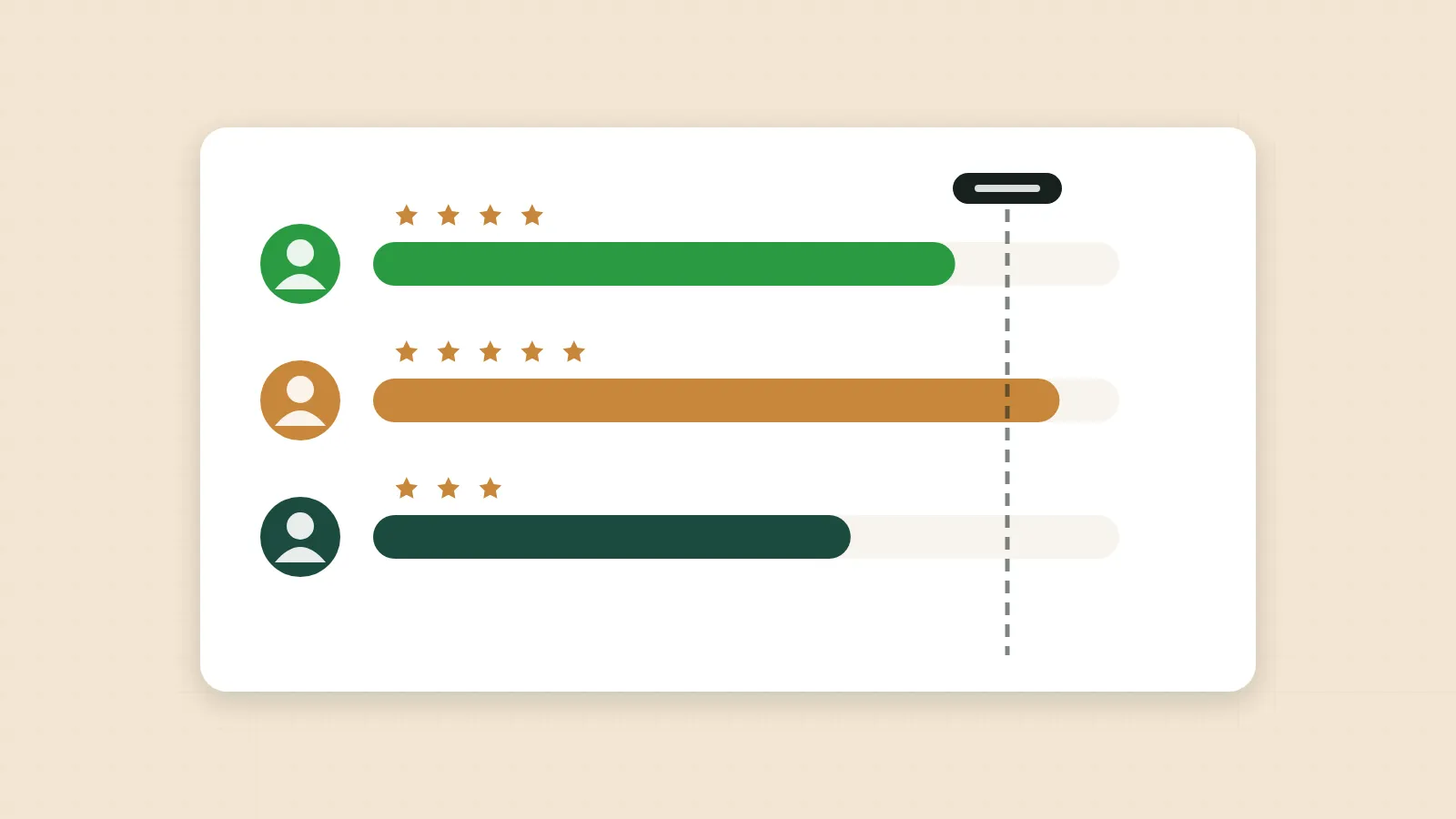
Production bonuses are common in truss plants, and for good reason. When crews share in the results of a good day, they tend to look for ways to have more good days. But bonus programs can also go badly wrong: crews chasing easy work, quality slipping, arguments about who got credit, and a general sense that the system is rigged. This article walks through the decisions that make the difference.
This is practical guidance, not legal or payroll advice. Wage, overtime and bonus rules vary by location, so check your program with your payroll provider or an employment adviser before you launch it.
Start with the behaviour you want, then pick measures that encourage it. Most plants want some combination of:
If you reward only output, you will get output, sometimes at the expense of everything else. The best programs either measure more than one thing or set clear conditions (for example, no bonus points for a batch that needed rework).
As we covered in Measuring truss production efficiency, trusses vary enormously in size and complexity. If points are based purely on truss count, the crew that builds simple commons will always beat the crew that builds girders and hips, no matter how hard the second crew works.
Fairer options include:
The right choice depends on your product mix. Whatever you choose, it should be simple enough that a crew member can roughly predict their points for a batch before they start it.
Bonus programs usually work around goals: hit a target, earn a reward. A few guidelines:
A bonus program crews can't see is just a surprise on payday. Visibility is what makes it motivating:
When the scoreboard updates itself from the work being tracked, nobody has to keep a tally, and nobody can argue that a tally was wrong.
Crews will rightly resent losing points because of problems they didn't cause. Decide in advance how you'll handle:
Recording pauses with a reason makes all of these easier to handle fairly and consistently.
Any output-based bonus creates pressure to rush. Build in protections:
Every bonus program changes eventually. Goals get adjusted, point values get rebalanced, new product types arrive. How you handle changes matters as much as the rules themselves.
Write the current rules down and make them easy to find. When you change them, decide clearly whether the change applies retroactively (recalculating past days) or only going forward, and tell crews before it takes effect. Keep a record of each version so you can always see which rule applied to which week. We cover this in detail in Changing bonus rules: retroactive vs. going forward.
The most successful programs are designed with input from the people they're for. Before launching, walk crew leads through the proposed rules and ask:
Then run the program for a trial period, review it, and adjust.
A fair bonus program isn't the most generous one; it's the one crews trust. When the rules are clear, the measures are fair and the points are visible, a bonus becomes a shared goal rather than a source of arguments.
Crew bonus points in Truss Plant Portal are earned from tracked batches, measured against daily and weekly goals, visible to everyone during the week, and every rule change asks whether it should apply retroactively or going forward.
Every bonus program changes eventually. Whether a change reaches back in time or starts today can make the difference between trust and a shop-floor argument.
4 min read
A TV on the shop wall can save dozens of walks to the office every day, or it can become expensive wallpaper. The difference is what you put on it.
5 min read
Trusses per hour is the number everyone quotes and the one most likely to mislead. Here's how to measure production in a way that's fair and actually useful.
5 min read