Keeping Truss Plate Inventory Accurate: A Practical Guide
Running out of a plate size in the middle of a batch stops a crew cold. Here's how to keep plate counts you can actually trust.
5 min read
If stock only comes off the books at month end, your counts are wrong for the other 29 days. Deducting each pick list when the job starts fixes that.
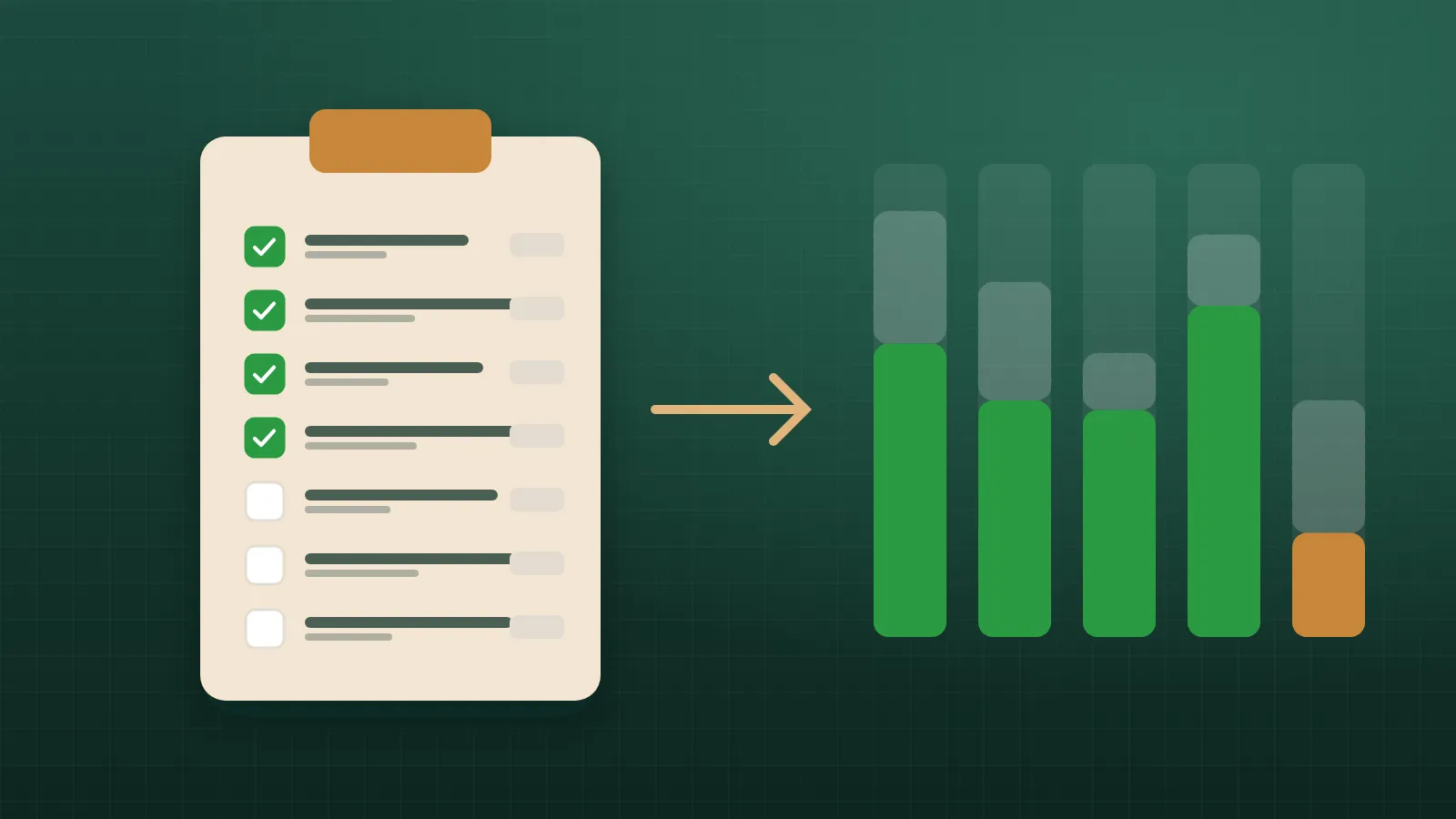
Every truss job comes with a list of the material it needs. Your design software produces it, usually as a pick list or material list: every lumber piece by grade, size and length, and every plate by size. That list is one of the most useful documents in the plant, and in many plants it's used once, to pull material, and then thrown away.
This article makes the case for a simple change: deduct each job's pick list from inventory when the job starts. Not at the end of the week, not at month end, not "when the office gets to it". At the start.
The traditional routine goes something like this. Material arrives and is added to the books. Jobs are built all month. At the end of the month, someone counts what's left, and the difference between the books and the count is recorded as "used".
That method has one strength: the final count is real. But it has serious weaknesses:
When a job's pick list is deducted the moment the job starts, the inventory number always means what's left for the next job. That one change has several knock-on effects:
You could deduct when a job is finished instead. Some plants do. But material leaves the rack when the yard pulls it, not when the last truss comes off the table. Deducting at the start means the books follow the material. It also means that while a job is being built, its material is no longer counted as available for other jobs, which is exactly what you want when deciding whether you can fit in a rush order.
The objection to deduct-on-start is usually time. Typing a full pick list into an inventory system for every job is tedious and error-prone, and it's the kind of task that gets skipped on a busy day.
The answer is not to type it. The pick list already exists as a document your design software printed. A good system should read that document directly, whether it's a PDF, a scan or a photo taken on a phone, match each line to an inventory item and deduct the quantities. A person's job is then to check the result, not to retype it.
Two features make this safe in practice:
A pick list describes the plan. The floor doesn't always follow it exactly. A few common situations and how to handle them:
None of these require perfection. The aim is to keep the big, frequent differences out of your counts.
Deduct-on-start doesn't eliminate physical counts; it makes them more useful. Instead of one big count at month end, count the most-used items regularly in small batches (cycle counting). When the count and the books disagree, the difference is small and recent, so it's much easier to find the cause.
If you currently reconcile monthly, switching is straightforward:
After a month or two, most plants find that the end-of-month count is much less dramatic, and that shortages are caught days earlier.
End-of-month reconciliation tells you what happened. Deduct-on-start tells you what's happening, while there's still time to act on it. The pick list is already in your hand. Use it to keep your counts current.
Truss Plant Portal reads pick lists from PDFs, scans and photos, deducts every plate and board automatically, warns you when an item drops below its low-stock level, and lets you undo a pick list that went in by mistake.
Running out of a plate size in the middle of a batch stops a crew cold. Here's how to keep plate counts you can actually trust.
5 min read
A low-stock alert is only as good as the level behind it. Here's a simple, practical way to set reorder points that warn you in time, without tying up cash.
5 min read
Lumber is quoted per thousand board feet but used one piece at a time. Here's how to connect the two so you always know what your stock and your jobs really cost.
5 min read